Specifications remain visible
Pressure class, capacity, stroke, flow and compatibility are treated as working data, not fine print.
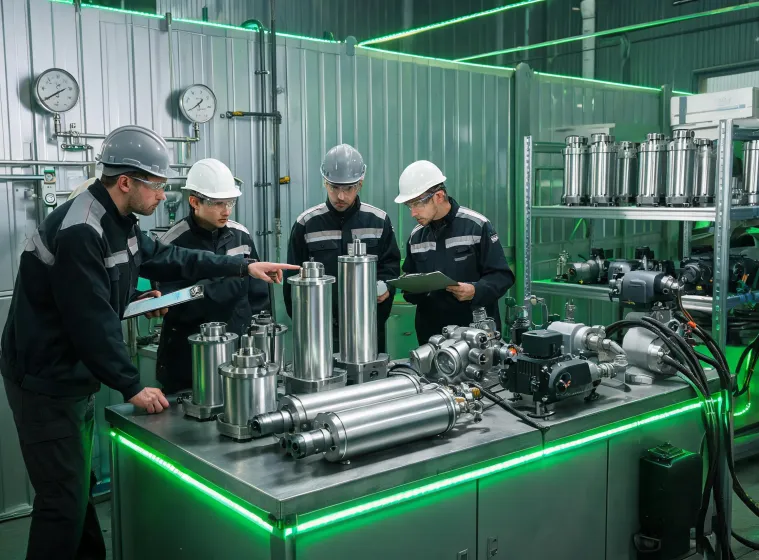
The brand is built around a simple expectation: when a crew applies high pressure to move, hold, split or torque something valuable, every tool in the chain should be understandable, serviceable and appropriate for the job.
Enerpac's story is not presented here as nostalgia. It is a discipline that still matters in modern maintenance and construction work. Hydraulic tools give compact equipment the ability to create enormous force, and that force has to be translated into a safe method before it touches a load. A cylinder stroke, a pump flow rate, a hose condition, a reaction arm and a pressure gauge are not separate details. They form the working system that decides whether an operation is repeatable.
That is why Enerpac content, service support and product organization emphasize controlled movement. Buyers are often engineers, outage planners, millwright supervisors, rigging leads and procurement teams who need the same answer from different angles. One person wants the capacity and stroke. Another wants the repair kit and lead time. Another needs to know whether a torque procedure can be repeated across several flanges. The brand voice stays precise because the work itself rewards precision.
Force becomes useful only when the operator can predict it, measure it and stop it.
This approach also shapes how Enerpac presents its global range. Hydraulic cylinders, hand pumps, electric pumps, torque tools, pullers and accessories are grouped around applications rather than empty claims. The goal is to help crews move from a known problem to a practical tool set with fewer translation errors between engineering, purchasing and field execution.
Pressure class, capacity, stroke, flow and compatibility are treated as working data, not fine print.
Repair kits, fittings, hoses and gauges are named so tools can return to work with less uncertainty.
Clearance, load path, duty cycle and operator access influence the recommended cylinder or pump package.
Large hydraulic jobs rarely belong to one department. Engineering defines the limits, maintenance prepares the equipment, safety reviews the method, procurement secures the correct items and operators discover the final access constraints. Enerpac's role is to keep the equipment conversation clear across that chain. The website therefore avoids vague promises and focuses on information that helps teams ask better questions before a lift, press, pull or bolting operation begins.
In everyday use, this means product names are connected to job conditions, service forms ask for symptoms rather than generic interests, and engineering pages frame comparison around pressure behavior, synchronization and documentation. The result is a site that feels like a technical counter rather than a retail aisle.
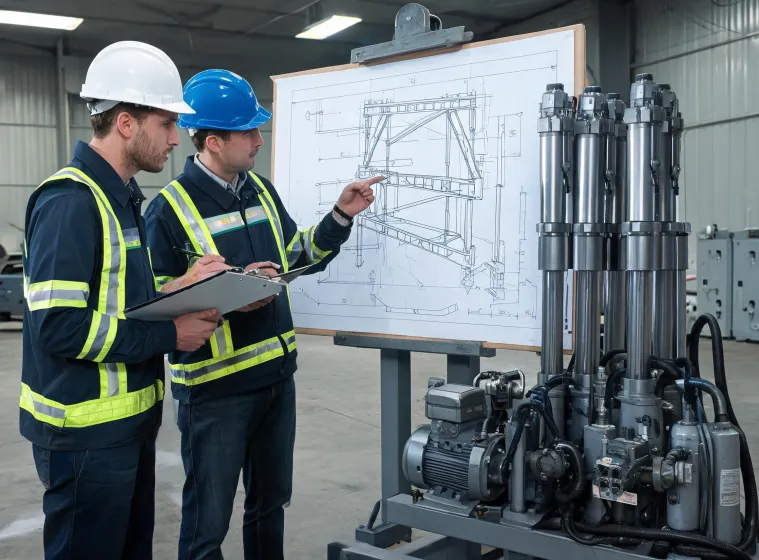
Enerpac support can help narrow the tool family and service route when your team already knows what must move, hold, torque or separate.